My wife always makes fun of me for mispronouncing words. Sometimes it's an English word with the stress in the wrong place, sometimes it's a Hebrew word where I arbitrarily decide where the wandering segol should go. I claim it's part of my charm. She disagrees. Fair enough.
The reason I mispronounce these words is crystal clear to me — I’ve never actually heard them. My only acquaintance with them is through reading.
Which brings me to a classic moment from The Simpsons — Lisa proudly yells: "Run like the wind!" Only she pronounces wind like rind . She knows the fancy expression — but has no idea how to pronounce it, for the exact same reason.
Interviewers, Dashes, and Bad Conclusions
And this isn’t just a cartoon gag. It happens in real life too. I’ve heard (first hand) stories of interviewers rejecting candidates simply because they mispronounced a word “wrong.” I’ve seen people on LinkedIn dismissing résumés, or posts, just because they contain an em-dash (this post alone includes at least four!). The latest trend claims it’s a clear sign the text was written with GPT.
(By the way — yes, this post was edited a few times using ChatGPT.)
And that’s the point where I want to get up like a very boring prophet of doom and ask: Really? That’s what you managed to take away from this?
What Actually Matters is Hitting "Send"
We're so busy looking for surface-level clues of "originality," "authenticity," "human writing" — that we've forgotten something basic.
So come close, quietly, before anyone hears: Even before GPT, people didn’t write everything on their own. They got help. They asked for feedback. They paid someone to review their résumé. They consulted with friends, family, colleagues. Some of them even dared to use... autocorrect! Oh goodness me!
So what's the difference?
The only difference is technical. But the act of choosing to send a text out into the world — that’s human. (Well, maybe not always — what with all these agents running around..) But most of the time, it's a conscious or unconscious statement: "This is how I want to appear. This represents me."
Dashes Aren’t Personality
Let’s all take a breath. The em-dash is the result of formatting. Of templates. Of editors. Of algorithms.
It tells you nothing meaningful about the person behind the text. Just like a candidate’s accent says nothing about their skills. Just like a font says nothing about the content.
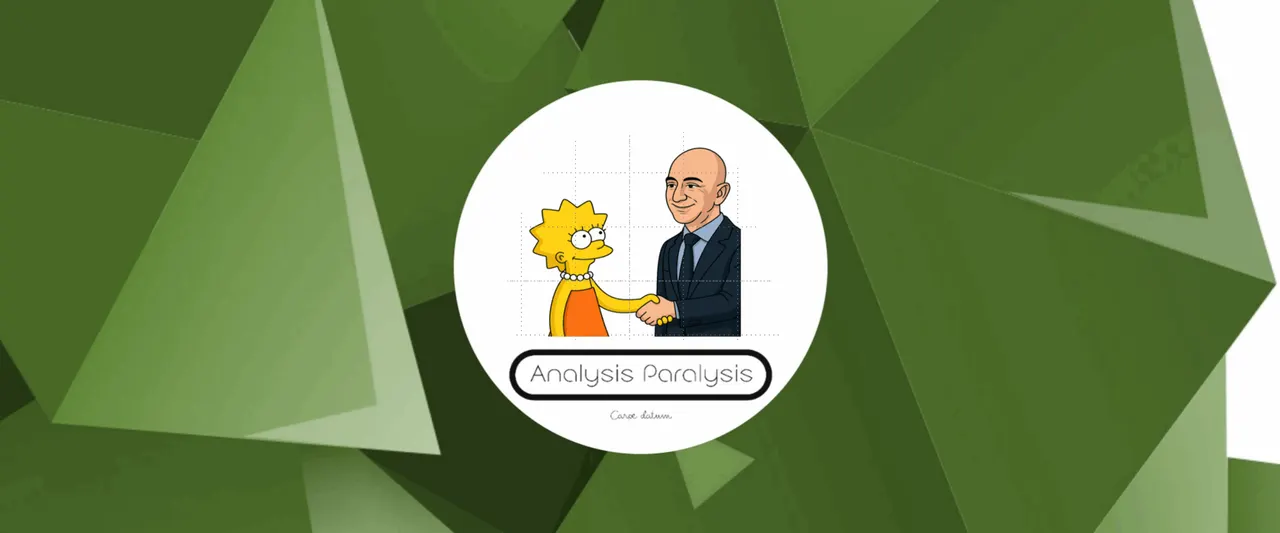
Jeff Bezos and Vanity Metrics
Jeff Bezos once spoke to Lex Fridman about vanity metrics — those metrics that were once meaningful but eventually become rituals, followed out of inertia.
I’ve seen it firsthand — with incredibly smart professionals — focusing on the wrong thing, to make decisions that, surprise surprise, turn out wrong.
The Em-dash is exactly that. A vanity metric. Looks smart to note and criticize — but doesn’t actually tell you anything important.
So What Is Important?
If we keep chasing “external signs” instead of actually listening to what’s being said — we won’t just miss out on good people. We’ll miss the whole conversation.
So What Can We Actually Learn from Em-Dashes?
Nothing. Except maybe that we keep looking for sophistication where there is none — and miss the real depth where it truly exists.
(This post was edited a few times using ChatGPT, because it’s 2025, and we adopt new technologies — or whatever.)