
There was a time when you could look at someone’s work and feel reasonably confident about what you were seeing.
If someone wrote clean SQL, you assumed they knew SQL.
If someone wrote that they know, I don't know, Spark or R or Excel - you kinda believed that.
If they built a solid dashboard, you trusted they understood the data behind it.
If they explained their insights clearly, you figured the thinking was probably sound.
That time is over.
Today, with tools like ChatGPT , producing polished output is no longer a reliable signal of skill.
Clean queries, structured analyses, even well-articulated insights - all of these can now be generated in seconds. Not by experts, by anyone who knows how to prompt decently (even that claim is a bit too much).
The shift here is subtle, but brutal. AI didn’t just make people faster. It made output cheap . It commodotized answers.
And when output becomes cheap, it stops being a useful way to differentiate between people.
You can already see the consequences. Candidates submit assignments that look impressive on the surface, but something feels off (maybe it's the wall of text, maybe it's the em-dashes, though you know my take in it).
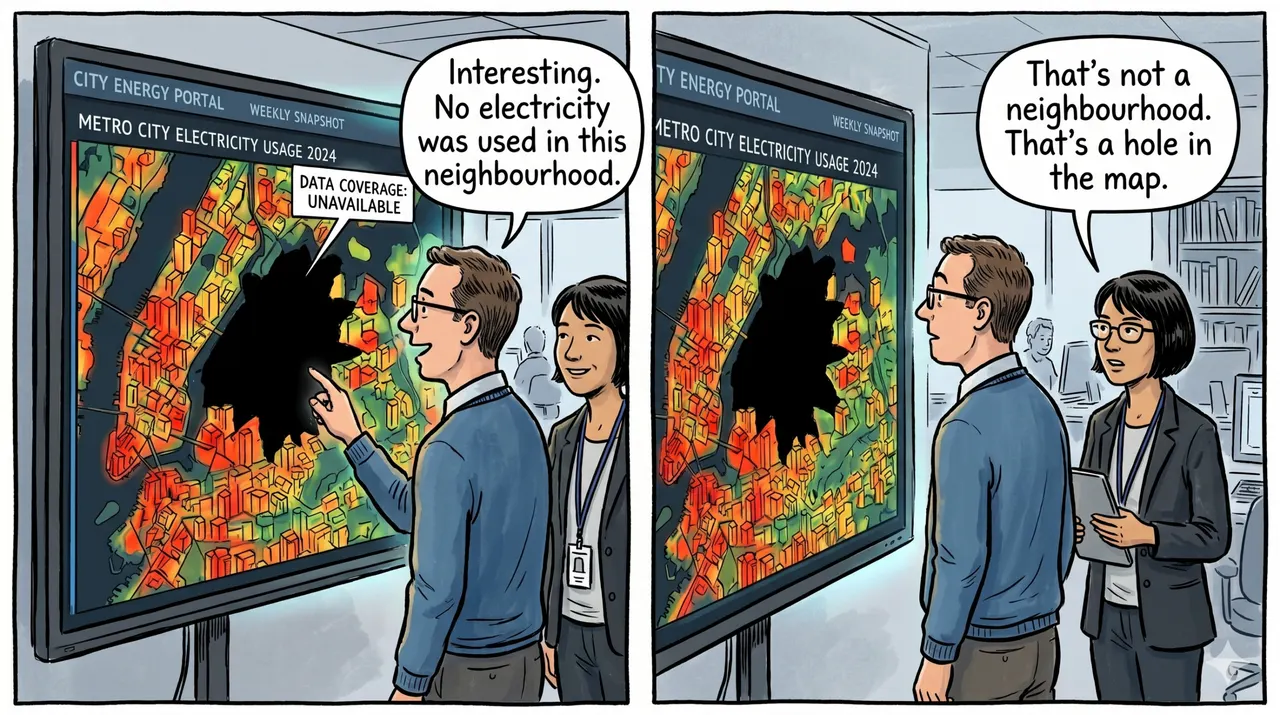
The logic doesn’t quite hold. The choices aren’t fully justified. There’s a gap between what’s presented and what’s actually understood. It’s that uncomfortable feeling of watching something that looks right but isn’t.
In a way, the situation has a bit of Bender energy - “I’ll build my own analyst with blackjack and dashboards.” The tools are powerful, the results look convincing, but the underlying intent is a bit chaotic.

The real problem is that most hiring processes haven’t adapted.
They still focus on final outputs - the SQL, the charts, the summary - as if those things still carry the same weight they used to.
But they don’t. Not anymore.
So what’s left?
Process.
The only reliable signal now is how someone approaches a problem. What they choose to look at first. What they ignore. Where they hesitate. How they validate their own assumptions. These things are much harder to fake, because they require actual thinking.
And thinking doesn’t compress well into a final answer.
This creates an uncomfortable truth: if you’re evaluating candidates based on what they produce, you’re mostly evaluating how well they use tools. Not how well they think.
And tools are getting better every month.
At some point, continuing to rely on surface-level signals is like judging a musical purely by volume instead of performance.
Sure, everything is loud and impressive, but that doesn’t mean anyone can actually carry the tune.
The direction is pretty clear. If output is no longer scarce, it can’t be the primary signal. The focus has to shift toward reasoning, exploration, and decision-making.
Otherwise, we’re not hiring analysts anymore.